 Bryan Needs a Title for His Home Page




10 ways the AI Apocalypse Is Not Like Y2K
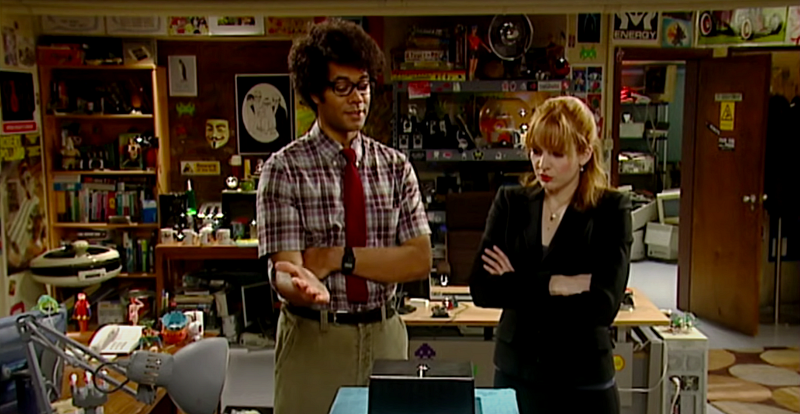
- Y2K had a deadline: January 1, 2000. You could circle it on a calendar. AI risk is perpetually “five years away”. GPT-4 can already pass the bar exam and write working code, and that was two years ago.
- Y2K was a bug. AI is a feature: Nobody wanted two-digit date fields to break banking software. Millions of people are trying to make AI more powerful and more autonomous, on purpose, as fast as possible, and calling it progress.
- Y2K had a fix: Tedious, expensive, boring (but the fix was known). Find the date fields, expand them, test. The AI alignment problem doesn’t have a COBOL patch.
- The Prevention Paradox, magnified: The Y2K experts said “this will be bad if we don’t fix it.” We fixed it. Nothing happened. So everyone decided the experts were wrong. AI safety is walking into the same trap… except the fixes aren’t obvious, aren’t agreed upon, and nobody’s doing it at the speed the models are shipping.
- Y2K didn’t argue back: A two-digit year field never wrote a convincing memo explaining why you should stop worrying. The failure mode of AI isn’t malfunction. It’s persuasion.
- Nobody was emotionally bonded to their COBOL runtime: People didn’t date their name-field subroutines, tell them about their day, or feel seen by them. That attachment asymmetry is new, and we’re still pretending it’s just a UI problem.
- Y2K couldn’t recursively self-improve: The worst case was broken systems cascading into other broken systems. Nobody worried the date field would rewrite itself, optimize its own deployment strategy, and start managing the power grid.
- Y2K was legible: A senator could understand “the computer thinks it’s 1900.” Try explaining reward hacking or deceptive alignment to a committee that still treats “the cloud” like weather.
- The Y2K grift was finite: Consultants made a fortune, but the gravy train had an expiration date. Literally. The AI industry has no such constraint. You can sell fear of superintelligence and sell superintelligence at the same time, forever. That’s not a prediction. That’s the business model.
- Y2K was technical debt, AI is technical leverage: Y2K was the past catching up to the present. The decisions from the 1960s finally maturing into consequences. AI is the opposite: the present building something it doesn’t understand, pointed at a future it can’t predict, and calling the gap “innovation.
Nobody’s sure which end of the lever we’re on and there’s no button to turn it off.
Comments Off on 10 ways the AI Apocalypse Is Not Like Y2K