The Problem with AI Prose
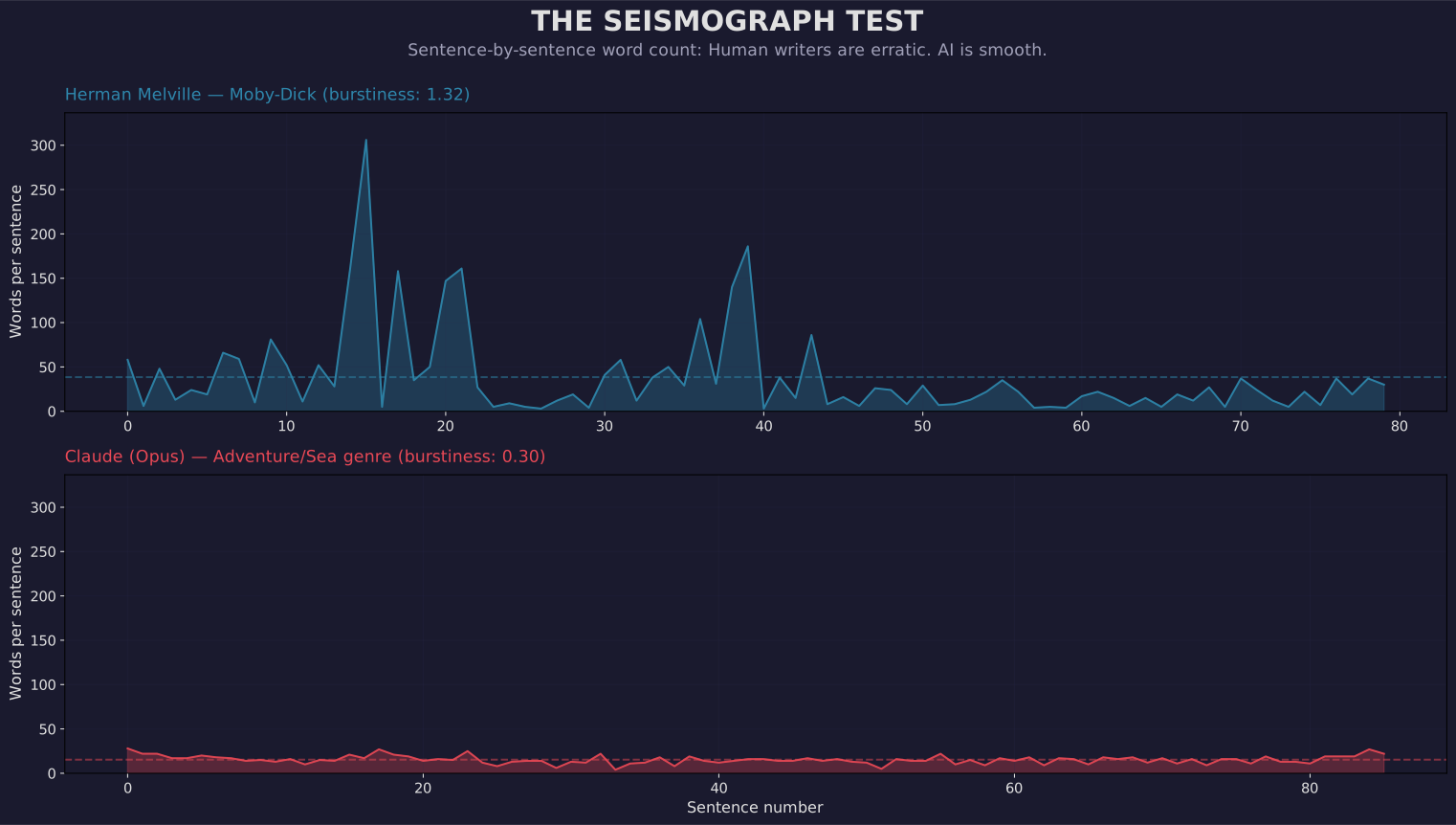
RLHF-trained language models produce text that is competent, coherent—and suspiciously uniform. Human writers vary wildly: Melville writes 60-word sentences, Carroll writes 10-word ones. AI clusters in a narrow band. The Requisite Variety Index quantifies this difference.
Burstiness
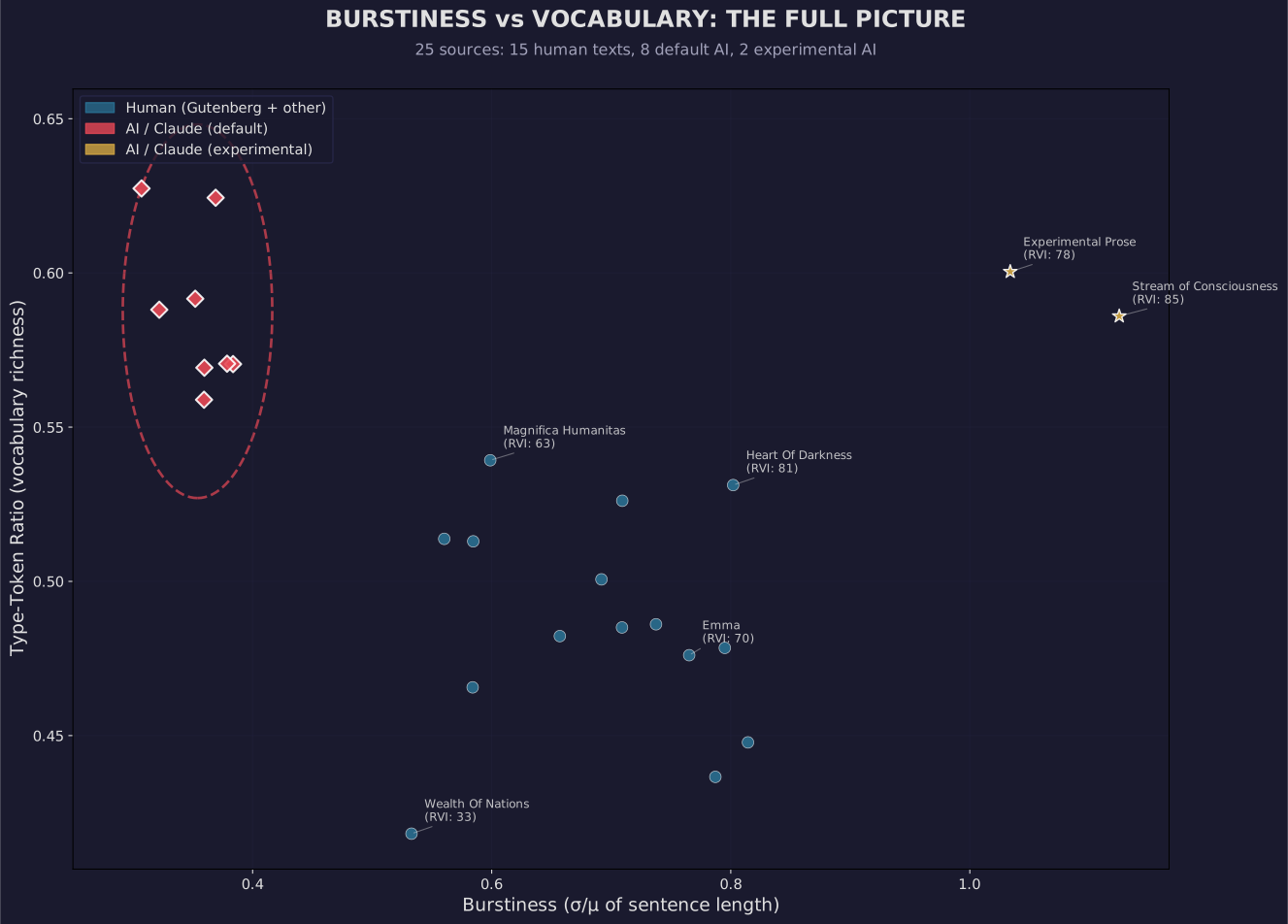
The coefficient of variation in sentence length. Human prose is "bursty"—short punchy sentences followed by sprawling complex ones. AI maintains steady rhythm.
Vocabulary Richness
Type-Token Ratio measures unique words per total words. Higher = richer vocabulary. Hapax ratio tracks words used only once—a hallmark of natural writing.
Bigram Entropy
How unpredictable are word-to-word transitions? Human prose surprises; AI follows well-worn paths. Higher entropy = less predictable.
RVI Score
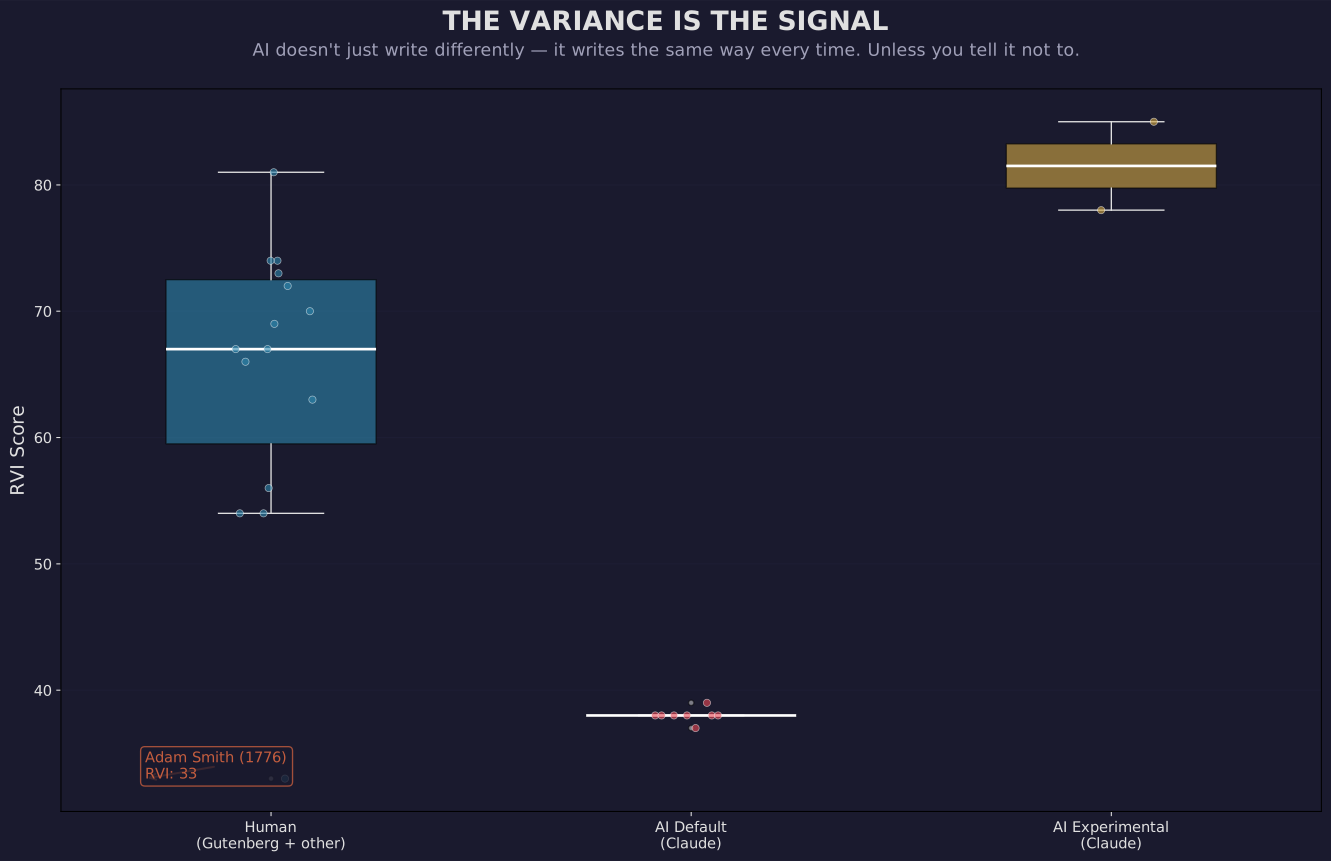
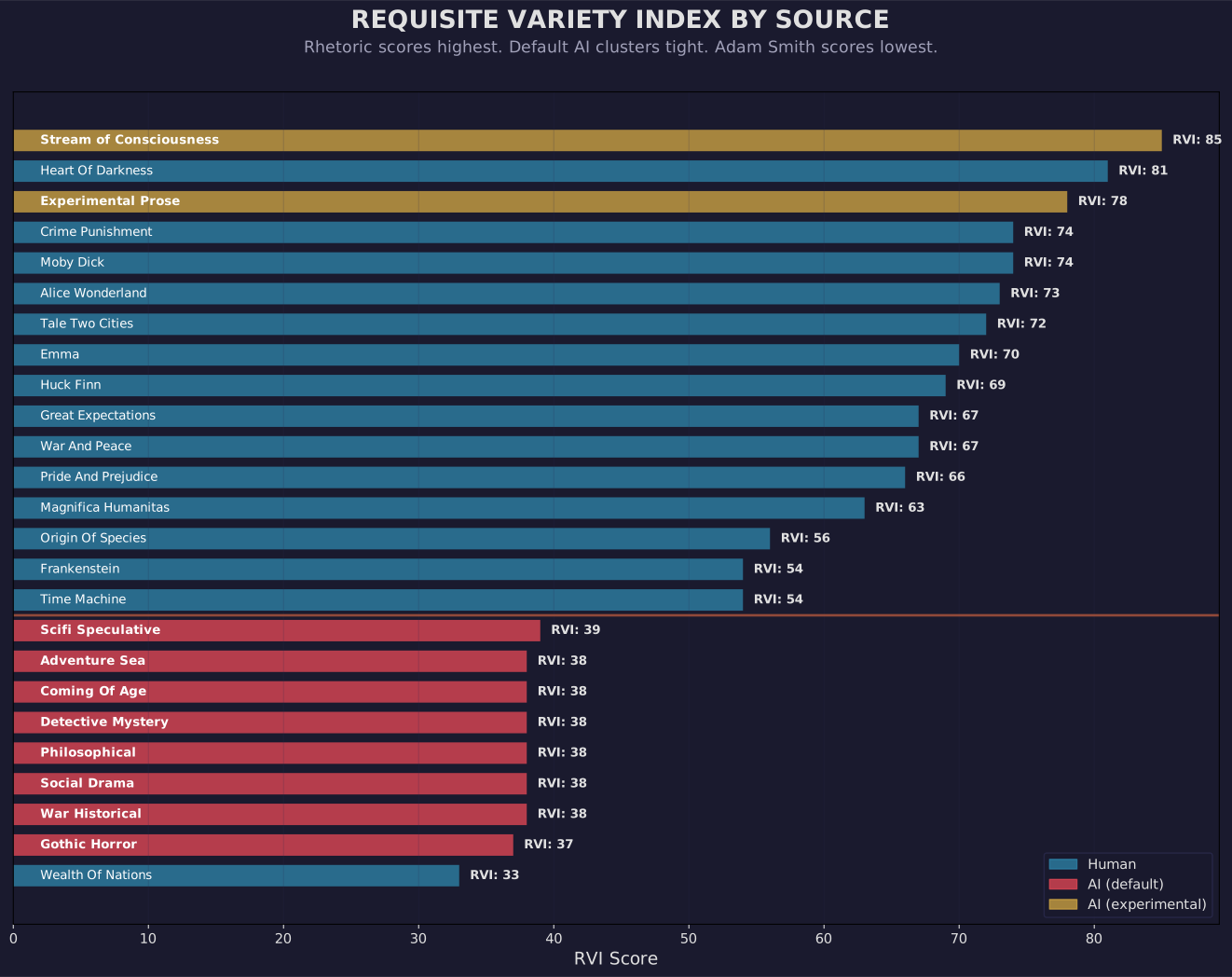
A composite index combining burstiness, vocabulary richness, and entropy into a single 0–100 score. Higher = more human-like variance.
The Evidence
We analyzed 319 chunks from 25 sources: 14 Project Gutenberg texts, one contemporary encyclical, 8 default AI-generated passages, and 2 experimental AI passages prompted for variance. The separation is stark.
Model Leaderboard
Aggregated metrics by source. Click column headers to sort. Higher RVI indicates more human-like textual variance.
| Loading data... | |||||
Test Your Text
Paste any text to analyze its variance metrics. Longer texts are chunked into 500-word segments (matching the baseline methodology) and metrics are averaged across chunks. Text is sent to the server for analysis and is not stored.
* Magnifica Humanitas, Pope Leo XIV's first encyclical (May 2026)
Analysis Results
Note: Scores may differ by 2-4 points from leaderboard values due to different chunk sampling methods. The leaderboard uses evenly-spaced samples; this analyzer uses consecutive chunks.
Full Document View
Per-chunk metrics across the document. Shows variance within the text, not just the average.
Cherry Pick Detector
Sliding window analysis (~125 words). Shows which sections would flag as AI-like vs human-like.